

What maintenance is required for food packaging machines?

Food packaging machines play a crucial role in ensuring products reach consumers safely and in perfect condition. For small and medium food manufacturers, beverage producers, bakeries, and cosmetic businesses in Canada, maintaining packaging equipment is essential to avoid contamination, maintain product quality, and comply with regulations. This post explains the key maintenance practices needed to keep food packaging machines running smoothly and hygienically.
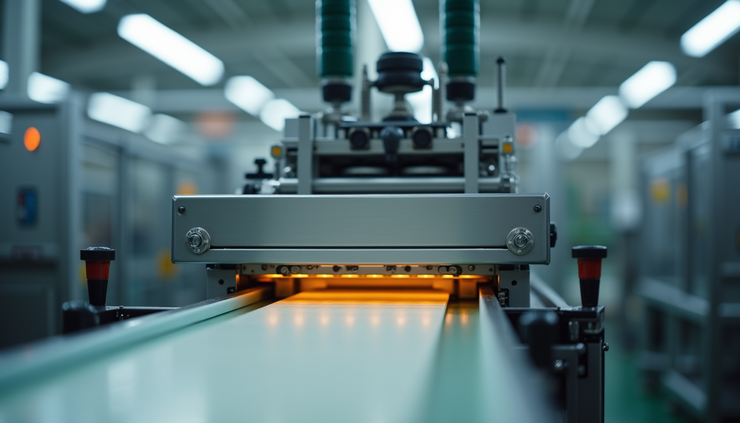
Hygiene cleaning and sanitation
Maintaining hygiene is the foundation of food packaging machine upkeep. Food-contact surfaces and any parts that might touch packaging materials must be cleaned and sanitized regularly to prevent contamination and allergen cross-contact.
Before production runs: Clean all food-contact parts thoroughly to remove residues from previous batches. This prevents microbial growth and allergen carryover.
During production: Some equipment requires periodic cleaning during long runs, especially if product buildup occurs. This helps maintain consistent packaging quality.
After production: Sanitize the entire machine, including conveyor systems and sealing machines, to prepare for the next batch.
Cleaning protocols should follow regulatory guidelines and be documented. Packaging equipment Ontario suppliers often provide cleaning manuals tailored to their machines, which help ensure proper sanitation.
Key points for hygiene cleaning:
Use approved sanitizers safe for food-contact surfaces.
Avoid harsh chemicals that can damage seals or gaskets.
Train operators on cleaning procedures to reduce human error.
Design equipment with easy-to-clean features, such as removable parts and smooth surfaces.
Preventive maintenance to avoid breakdowns and contamination
Unexpected machine failures can halt production and risk product safety. A documented preventive maintenance (PM) program helps identify issues before they cause problems.
Typical PM activities for food packaging machines include:
Visual inspections: Check for foreign materials, cleanliness, and signs of wear or damage on the conveyor system, filling and capping machine, and sealing machine.
Seal and gasket checks: Worn seals can cause leaks or contamination. Replace them on schedule rather than waiting for failure.
Mechanical adjustments: Ensure conveyor alignment and tension are correct to prevent product damage or spills.
Sensor testing: Photoeyes, weight sensors, and vision systems must be calibrated and functioning properly to maintain packaging accuracy.
Parts replacement: Follow manufacturer recommendations to replace parts before they fail.
Packaging machine suppliers in Canada often provide PM checklists specific to their equipment models. Following these helps maintain consistent performance and reduces downtime.

Lubrication controls around food-contact zones
Proper lubrication reduces wear and prevents equipment breakdowns. However, lubrication near food-contact areas requires special attention to avoid contamination.
Use lubricants approved for incidental food contact, typically food-grade lubricants.
Follow the manufacturer’s lubrication schedule and guidelines.
Avoid over-lubrication, which can attract dust or drip onto products.
Focus on moving parts such as bearings, chains, and gears in the liquid filling machine and bottle filling machine.
Packaging equipment Canada suppliers can recommend suitable lubricants and provide training on correct application.
Specific maintenance considerations for different packaging machines
Each type of packaging equipment has unique maintenance needs:
Liquid filling machine: Clean filling nozzles and valves to prevent clogging and contamination. Check pumps and sensors regularly.
Bottle filling machine: Inspect bottle guides and clamps for wear. Ensure capping heads are aligned and torque settings are correct.
Sealing machine: Monitor heating elements and sealing jaws for wear. Replace worn gaskets to maintain airtight seals.
Conveyor system: Regularly check belt tension, rollers, and motor function. Clean belts to avoid product buildup.
Why maintenance matters for your business
Maintaining food packaging machines is not just about compliance. It directly affects product quality, customer satisfaction, and operational efficiency. Poorly maintained equipment can cause:
Product contamination or allergen cross-contact
Packaging defects like poor seals or incorrect labeling
Unexpected downtime and costly repairs
Investing time and resources into cleaning, preventive maintenance, and lubrication helps protect your brand reputation and supports growth.
Finding the right packaging machine supplier in Canada
Choosing a packaging machine supplier Canada businesses trust can simplify maintenance. Look for suppliers who offer:
Detailed maintenance manuals and training
Responsive technical support
Access to genuine replacement parts
Expertise in packaging equipment Ontario businesses use
A good supplier supports your maintenance program and helps you get the most from your packaging automation investments.
Maintaining food packaging machines requires a clear focus on hygiene, preventive care, and proper lubrication. By following these best practices, manufacturers and producers can ensure their packaging equipment operates safely and efficiently. If you are looking for reliable packaging equipment in Canada, consider partnering with a supplier who understands your maintenance needs and can provide ongoing support. This approach keeps your production line running smoothly and your products safe for consumers.


Comments